
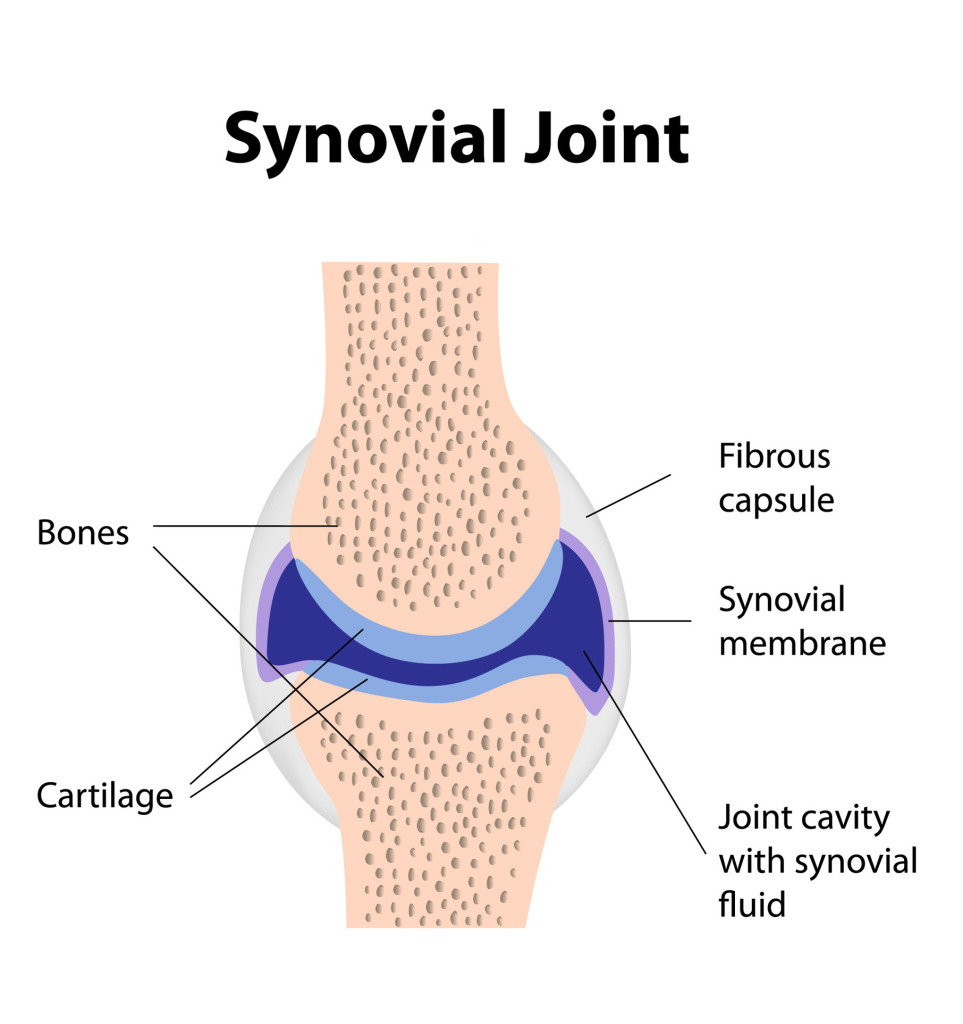
That familiar twinge in your knee… the stiffness in your fingers that makes that first morning coffee a challenge. Joint pain can be a frustrating companion, whether it's a dull ache or a sharp stab. You might find yourself wondering, "Is this just from that extra-long hike last weekend, or is something more going on?" Let's explore the difference between joint pain stemming from simple overuse versus an underlying condition, so you can take the best path towards feeling good again.
Overuse: When Activity Takes Its Toll
Overuse injuries happen when we push our joints beyond their usual capacity. Think of it as asking your body to do more than it’s currently prepared for. This could be from starting a new workout routine too intensely, repetitive movements at work, or even spending a weekend tackling a big gardening project. This type of joint pain is often accompanied by inflammation, tenderness to the touch, and a limited range of motion in the affected joint. Luckily, these types of injuries can often be managed with rest, ice, compression, and elevation (RICE), along with some gentle mobility exercises to keep the joint from getting too stiff.
The bigger picture includes other possible root causes. As we age, the cartilage that cushions our joints naturally begins to wear down. A sedentary lifestyle can weaken the muscles that support our joints, making them more vulnerable to injury. And of course, factors like genetics and previous injuries can also play a role in joint pain. Addressing these underlying factors is key to long-term joint health.
One of the most impactful things you can do for your joints is to incorporate a nutrient-rich diet. A diet full of colorful fruits and vegetables, lean protein, and healthy fats helps support overall health and can provide inflammation support. Think about adding foods like salmon (rich in omega-3 fatty acids), berries (packed with antioxidants), and leafy greens (full of vitamins and minerals) to your plate. Building a strong foundation through diet, combined with maintaining a healthy weight, is key to supporting pain-free movement for years to come. This approach offers both immediate comfort and supports long-term joint function.
Is walking good for stiff knees?
In many cases, yes! Walking is a low-impact activity that can help lubricate joints and improve circulation. Start with short, gentle walks and gradually increase the duration as your knees feel stronger. If you experience sharp pain, stop and consult with a healthcare professional.
Underlying Conditions: When It's More Than Just a Sore Muscle
Sometimes, joint pain signals a deeper issue. Conditions like osteoarthritis, rheumatoid arthritis, lupus, and gout can all cause persistent joint pain and inflammation. Unlike overuse injuries, the pain from these conditions often lingers, and can worsen over time if left unmanaged. You might also experience other symptoms like fatigue, fever, or skin rashes, depending on the specific condition.
Distinguishing between overuse and an underlying condition often requires a visit to your doctor. They can conduct a physical exam, review your medical history, and order tests (like blood work or X-rays) to determine the root cause of your joint pain. Early diagnosis and treatment are crucial for managing these conditions and preventing further joint damage.
A comprehensive approach to joint care is vital if you suspect an underlying condition. This might include medications to manage pain and inflammation, physical therapy to improve strength and flexibility, and lifestyle modifications to protect your joints. Exploring gentle mobility exercises suited to your specific needs and consulting with a physical therapist can be a significant step.
What foods help lubricate joints?
While no single food acts as a "lubricant," incorporating foods rich in omega-3 fatty acids (like salmon and flaxseeds), antioxidants (like berries and leafy greens), and collagen (found in bone broth) can support joint health and reduce inflammation. Staying well-hydrated is also crucial for maintaining healthy joint fluid.
How can I stay mobile as I age?
Staying active is key to maintaining mobility as you age. Incorporate regular exercise into your routine, including a mix of cardio, strength training, and flexibility exercises. Focus on movements that support joint health, such as swimming, walking, and yoga. Adapt your joint-friendly routine to your individual needs and limitations, and don't be afraid to seek guidance from a physical therapist or certified trainer.
Don't let joint pain dictate your life. Whether it's from overuse or something more, there are steps you can take to find relief and regain your freedom of movement. Listen to your body, seek professional guidance when needed, and remember that even small, consistent changes can make a big difference in your joint health and overall well-being. There’s always hope for feeling better and returning to the activities you love.