
That familiar twinge in your knee, the little catch in your hip when you first stand up – it's a signal, isn't it? A reminder that your body is talking, and sometimes, it's saying, "Ease up, friend." Maybe you're avoiding activities you love, trading walks in the park for the comfort of the couch. But what if you could gently reclaim that ease, that feeling of moving freely?
The discomfort you're experiencing often stems from a combination of factors. Inflammation, a natural bodily response, can become chronic and irritate joint tissues. The aging process itself brings changes to cartilage and lubrication. Add a sedentary lifestyle into the mix, and your joints might feel like they're rusting in place. But the good news is, you have the power to influence this process.
Think of your joints like finely tuned instruments. They need movement to stay lubricated and nourished. Integrating even a few minutes of gentle mobility exercises into your daily routine can make a profound difference. Consider incorporating stretches throughout the day, especially if you spend a lot of time sitting. This small shift can support long-term joint function, making everyday movements – like reaching for a shelf or playing with your grandkids – feel easier and more enjoyable. A nutrient-rich diet for joints, including foods known for inflammation support, is another lifestyle factor to consider.
Sit-to-Stand Exercises for Improved Joint Control
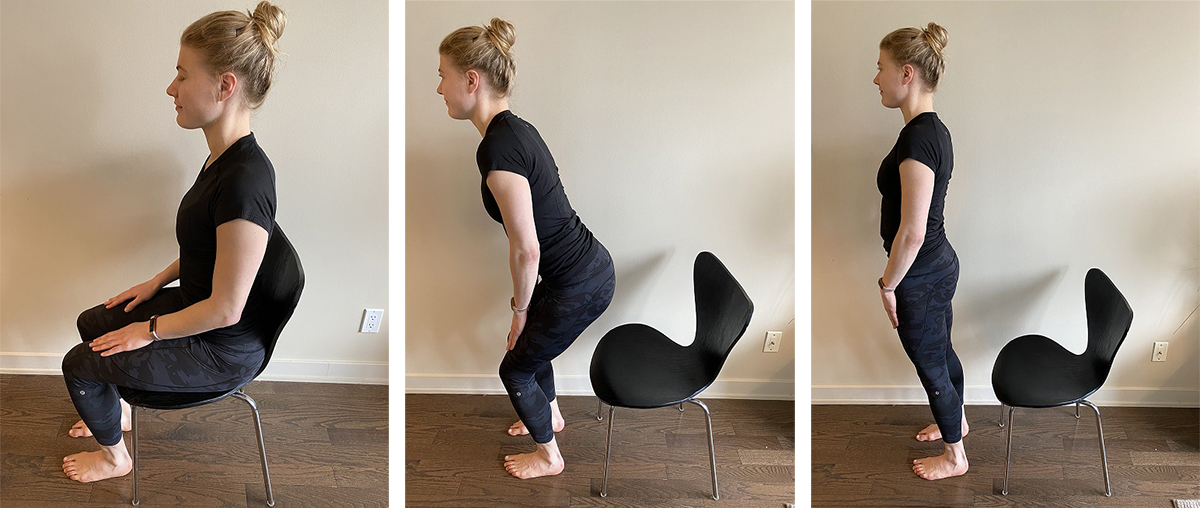
Sit-to-stand exercises are exactly what they sound like: transitioning from a seated position to a standing position, and then back down again. But with a focus on control and proper form, these simple movements can become powerful tools for building strength, stability, and pain-free movement in your hips, knees, and ankles. They are a wonderful way to boost circulation, encourage range of motion, and build muscle strength to support your joints. Remember, consistency is key, and it’s always wise to consult with your doctor or physical therapist before beginning any new exercise program.
The Importance of Proper Form
Before diving into specific exercises, let’s emphasize proper form. Begin by sitting in a sturdy chair with your feet flat on the floor, hip-width apart. Engage your core muscles to stabilize your spine. As you stand, focus on pushing through your heels and maintaining a straight back. Avoid using momentum or leaning too far forward. Lower yourself back down with control, keeping your core engaged and your movements smooth. If you find it challenging to stand without assistance, use a sturdy surface, such as a table or countertop, for light support.
Gentle Sit-to-Stand Variations
Start with basic sit-to-stands, and as you build strength and confidence, explore these variations. Always prioritize control and listen to your body. If you experience any pain, stop immediately.
Assisted Sit-to-Stand: Use a table or countertop for gentle support as you stand and sit. This reduces the load on your joints and allows you to focus on proper form.
Slow Sit-to-Stand: Perform the movement very slowly, focusing on engaging your muscles and maintaining control throughout the entire range of motion. This increases muscle activation and improves stability.
Partial Sit-to-Stand: Instead of standing all the way up, rise only partially, then lower back down. This is a great option if you are just starting out or have limited strength.
Elevated Sit-to-Stand: Place a folded towel or cushion on the chair to slightly elevate your starting position. This reduces the range of motion and makes the exercise easier.
What foods help lubricate joints?
While no single food acts as a "lubricant," incorporating certain foods into your nutrient-rich diet for joints can support healthy joint function and reduce inflammation. Consider omega-3 fatty acids (found in fatty fish, flaxseeds, and walnuts), which possess anti-inflammatory properties. Fruits and vegetables rich in antioxidants can also help protect joint tissues from damage. Bone broth contains collagen, a protein that supports cartilage health.
How can I stay mobile as I age?
Staying mobile as you age requires a proactive approach that includes regular exercise, a healthy diet, and attention to joint health. Incorporate a variety of activities into your routine, such as walking, swimming, or cycling, to maintain flexibility, strength, and cardiovascular fitness. Gentle mobility exercises, like those outlined above, can also help keep your joints moving freely. Remember to listen to your body and adjust your activities as needed.
Is walking good for stiff knees?
In most cases, walking is a beneficial activity for stiff knees, promoting circulation, lubricating the joints, and strengthening the surrounding muscles. However, it's crucial to listen to your body and avoid overexertion. Start with short, gentle walks and gradually increase the duration and intensity as your comfort level improves. If you experience significant pain or swelling, consult with your doctor or physical therapist.
You're capable of more than you think. Even small, consistent efforts can lead to significant improvements in your joint health and overall well-being. Start slowly, be patient with yourself, and celebrate your progress along the way. Reclaim your mobility, rediscover the joy of movement, and live a life free from unnecessary limitations.