
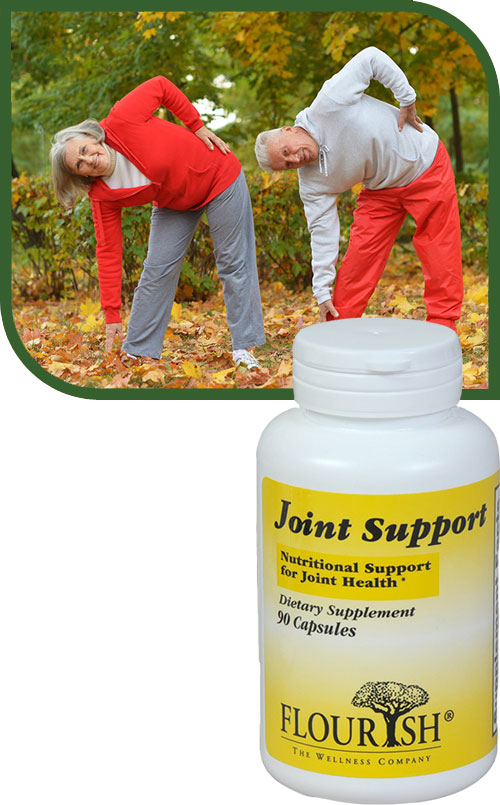
That little twinge in your knee when you stand up, the stiffness in your hips after sitting for too long… it's easy to brush these things off as just "getting older." But what if you could reclaim that effortless movement you remember? What if you could silence those nagging aches and move with confidence again? The truth is, you absolutely can. It's about understanding your body and giving it what it truly needs.
Blending Strength and Flexibility for Joint Support
Joint discomfort stems from a variety of factors. Inflammation, often triggered by diet or lifestyle, can irritate the delicate tissues around your joints. The natural aging process brings changes in cartilage and synovial fluid, impacting lubrication and shock absorption. A sedentary lifestyle weakens the muscles that support your joints, leaving them vulnerable to injury and stiffness. And repetitive motions, common in many jobs and hobbies, can lead to overuse injuries.
One of the simplest yet most effective steps you can take is to incorporate gentle mobility exercises into your daily routine. Think of your joints like a finely tuned machine: they need regular, low-impact movement to stay lubricated and functional. Even five minutes of stretching and gentle range-of-motion exercises each day can make a world of difference. This proactive approach improves mobility, increases comfort, and supports the long-term health and function of your joints, allowing you to enjoy pain-free movement for years to come.
Is walking good for stiff knees?
Absolutely! Walking is a fantastic low-impact exercise that promotes joint lubrication and strengthens surrounding muscles. Start with short, comfortable walks and gradually increase the duration as your knees become stronger and more flexible. Listen to your body and stop if you experience sharp pain. The key is consistency and finding a pace that feels good for you.
What foods help lubricate joints?
A nutrient-rich diet for joints focuses on anti-inflammatory foods. Omega-3 fatty acids, found in fatty fish like salmon and mackerel, and in flaxseeds and walnuts, can provide excellent inflammation support. Berries are packed with antioxidants that combat inflammation. Bone broth contains collagen, a building block for cartilage. Incorporating these foods into your diet can contribute to overall joint health and reduce discomfort.
How can I stay mobile as I age?
Staying mobile as you age requires a holistic approach. In addition to gentle mobility exercises and a healthy diet, focus on maintaining a healthy weight to reduce stress on your joints. Consider incorporating strength training exercises to build muscle support. Stay hydrated to ensure adequate joint lubrication. Remember, consistency is key!
You don't have to accept joint discomfort as an inevitable part of life. By understanding the underlying causes and taking proactive steps like incorporating gentle movement, making dietary adjustments, and maintaining a joint-friendly routine, you can reclaim your comfort and rediscover the joy of effortless movement. Start small, listen to your body, and celebrate every step towards a more mobile and vibrant you.