
That twinge in your hip that makes you hesitate before standing. The ache in your knees after a simple walk. The stiffness in your ankles that greets you every morning. These aren't just fleeting discomforts; they're signals your body is sending, whispers that something needs attention so you can get back to moving freely and confidently.
The Shoe-Joint Connection
It’s easy to underestimate the impact your feet have on your entire musculoskeletal system. They're the foundation upon which your body moves, and what you put on them matters. Poorly designed or worn-out shoes can contribute to a cascade of problems that reach far beyond your feet. Shoes lacking proper support throw off your alignment, forcing your hips, knees, and ankles to compensate. This compensation can lead to increased stress on these joints, contributing to inflammation and pain. Factors such as aging, sedentary lifestyles, and even genetics can also play a role in exacerbating these issues.
Is walking good for stiff knees?
Yes, walking can be beneficial for stiff knees, but it's crucial to approach it wisely. Opt for shorter, more frequent walks on even surfaces, and listen to your body. If you experience sharp pain, stop and rest. Walking helps lubricate the joints and can improve flexibility and range of motion. Incorporate gentle mobility exercises into your warm-up routine to prepare your knees for movement.
Choosing the Right Footwear
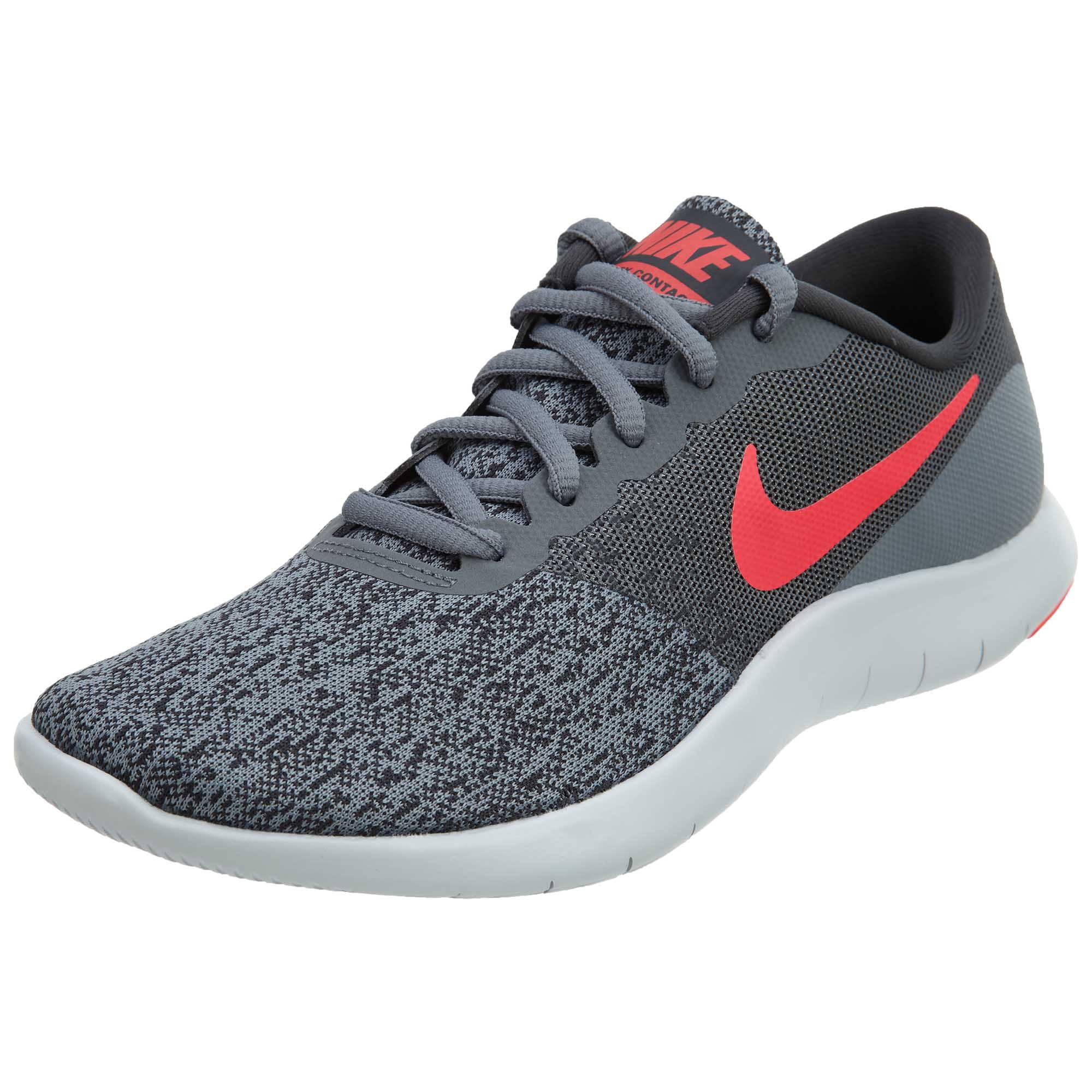
Investing in supportive footwear is an investment in your long-term joint health. Look for shoes that offer good arch support, cushioning, and stability. Consider shoes designed for your specific activities. If you're a runner, running shoes are essential. If you're on your feet all day, prioritize comfort and support. Even everyday walking shoes should be carefully chosen. Replacing worn-out shoes is just as important. When the cushioning breaks down, your joints absorb more impact. Think of your shoes as a crucial tool in your joint-friendly routine.
Beyond Shoes: Supporting Your Joints
While footwear is important, it's just one piece of the puzzle. A holistic approach to joint care involves several lifestyle adjustments. Adopting a nutrient-rich diet for joints, rich in anti-inflammatory foods, can make a significant difference. Incorporating gentle mobility exercises into your daily routine can help maintain flexibility and reduce stiffness. Supplementing your diet with ingredients known for inflammation support, like omega-3 fatty acids and turmeric, can also be beneficial. Prioritizing overall wellness is key.
What foods help lubricate joints?
Certain foods contain nutrients that can contribute to joint lubrication and reduce inflammation. Omega-3 fatty acids, found in fatty fish like salmon and mackerel, are known for their anti-inflammatory properties. Olive oil, rich in oleocanthal, can act similarly to ibuprofen. Bone broth contains collagen, which can support cartilage health. Fruits and vegetables high in antioxidants, such as berries and leafy greens, combat free radicals that contribute to inflammation.
Taking care of your hips, knees, and ankles is about more than just addressing pain; it’s about reclaiming your freedom of movement. Start with your feet, pay attention to the signals your body sends, and embrace a holistic approach to joint health. Even small changes can make a big difference in your quest for pain-free movement and sustained mobility. Every step you take towards improved joint health is a step towards a more active and fulfilling life.