
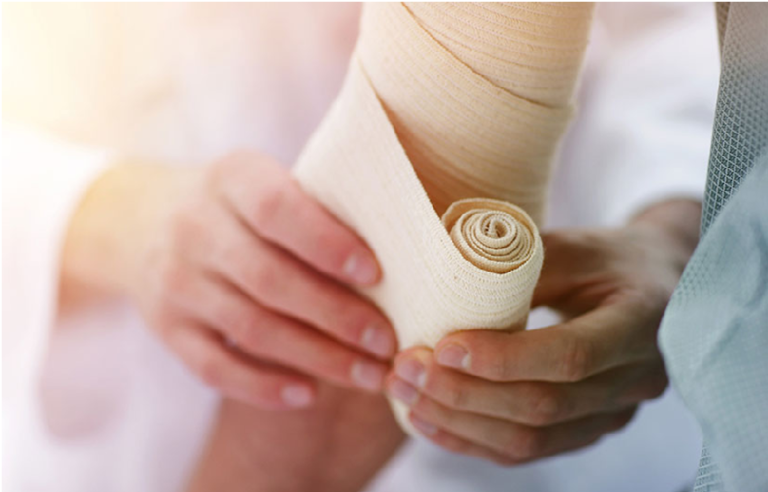
That familiar twinge in your knee, the ache in your wrist as you reach for your coffee… joint pain can be a major hurdle when you're trying to stay active. It's tempting to just sit still and wait for it to pass, but that might not be the best approach. Figuring out when to rest and when to move is key to feeling good and staying mobile for the long haul.
Listen to Your Body (But Don't Always Obey!)
Joint pain can stem from various sources. Sometimes it’s a sign of inflammation, maybe related to a flare-up of arthritis or even an old injury acting up. Other times, it’s just the result of getting older – that natural wear and tear that comes with aging. And let’s face it, a sedentary lifestyle can also contribute to stiffness and discomfort. The less you move, the stiffer your joints become. It’s a frustrating cycle, isn’t it?
The Gentle Movement Solution
Instead of completely avoiding exercise, consider focusing on gentle mobility exercises. Think of it this way: your joints need lubrication, just like a car engine. Movement helps circulate synovial fluid, which nourishes and cushions the cartilage in your joints. A joint-friendly routine like stretching, yoga, swimming, or even just walking can make a huge difference. The goal is pain-free movement, so start slowly and gradually increase the intensity and duration of your activity as you feel comfortable. Regular gentle movement, paired with inflammation support through a nutrient-rich diet for joints, can bring surprising levels of comfort and help you maintain your mobility for years to come.
Is walking good for stiff knees?
Absolutely! Walking is a low-impact activity that can help lubricate your knee joints and reduce stiffness. Just be sure to listen to your body and stop if you experience any sharp or worsening pain. Start with short walks on even surfaces and gradually increase the distance and intensity as you feel comfortable.
What foods help lubricate joints?
A nutrient-rich diet for joints, focusing on anti-inflammatory foods, can be beneficial. Incorporate foods rich in omega-3 fatty acids (like salmon and flaxseeds), antioxidants (berries and leafy greens), and collagen-boosting nutrients (bone broth) to support joint health and potentially improve lubrication.
How can I stay mobile as I age?
Staying mobile as you age involves a multi-faceted approach. Prioritize regular exercise, including gentle mobility exercises, strength training, and balance exercises. Maintain a healthy weight to reduce stress on your joints. And consider working with a physical therapist or personal trainer who can design a personalized exercise program that addresses your specific needs and limitations.
The key is finding that sweet spot – pushing yourself enough to keep your joints mobile and strong, but not so much that you aggravate your pain. Remember, movement is medicine. Even small changes, like incorporating a few minutes of stretching each day or taking a short walk during your lunch break, can make a big difference in your joint health and overall well-being. Listen to your body, be patient with yourself, and celebrate every step forward (literally!). Pain-free movement is within reach.