
That familiar twinge in your knee. The nagging ache in your hip. The stiffness that greets you every morning. Joint pain can be a constant companion, whispering (or sometimes shouting) reminders that movement isn’t always easy. But have you ever noticed how those aches seem to amplify during stressful times? You're not imagining it. Stress can absolutely make joint pain feel worse.
The Mind-Body Connection: How Stress Impacts Your Joints
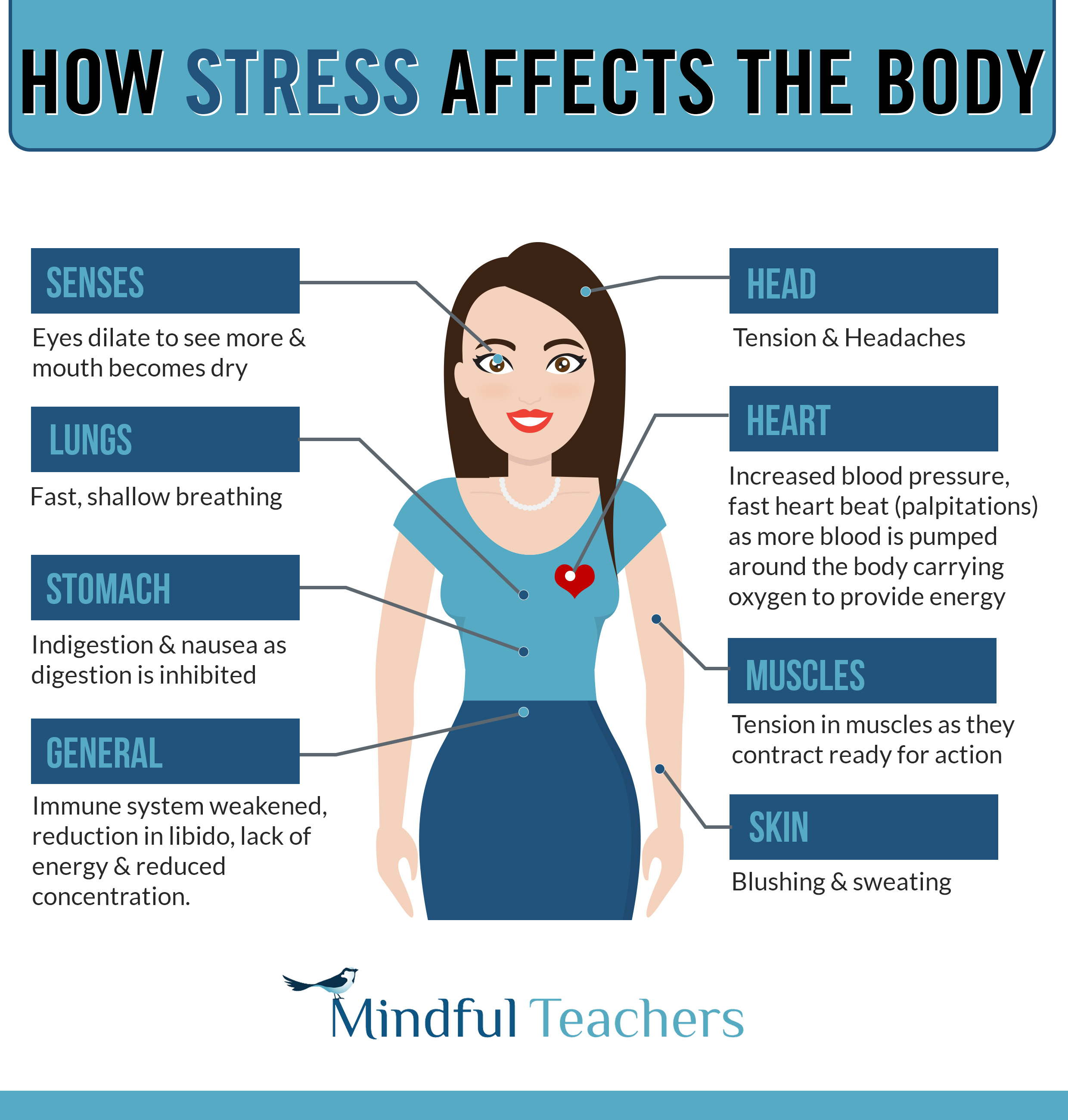
The reality is, joint pain stems from a variety of sources. Inflammation, often triggered by conditions like arthritis, plays a significant role. The natural wear and tear of aging, previous injuries, and even a sedentary lifestyle can contribute to discomfort and reduced mobility. When your body is already dealing with these factors, the added burden of stress can tip the scales. Stress triggers the release of cortisol, a hormone designed to help you cope with challenging situations. While cortisol is essential in small doses, chronic stress leads to chronically elevated cortisol levels, which can actuallyincreaseinflammation throughout your body, exacerbating existing joint pain. Furthermore, stress often leads to muscle tension. Tight muscles around your joints can restrict movement and increase pain signals.
Incorporating relaxation techniques into your daily routine can make a tangible difference. Think of it as providing inflammation support through mindful movement. Even just 15 minutes of deep breathing, meditation, or gentle stretching can help lower cortisol levels and ease muscle tension. Prioritizing stress management is an investment in your long-term joint health, allowing you to maintain mobility, improve comfort, and support optimal joint function as you age. It can be a crucial part of a joint-friendly routine.
Is Walking Good For Stiff Knees?
Absolutely, but listen to your body! Walking is a fantastic gentle mobility exercise that can help lubricate your joints and reduce stiffness. Start with short, slow walks on a flat surface and gradually increase the distance and intensity as you feel comfortable. If you experience pain, stop and rest. Consider using walking poles for added support and stability.
What Foods Help Lubricate Joints?
A nutrient-rich diet for joints is key! Focus on anti-inflammatory foods like fatty fish (salmon, tuna), olive oil, nuts, and colorful fruits and vegetables. These foods contain omega-3 fatty acids and antioxidants that can help reduce inflammation and protect your joints. Staying hydrated is also vital, as water helps keep cartilage healthy and lubricated.
How Can I Stay Mobile As I Age?
Embrace a proactive approach to aging and joint care. Regular exercise, including a combination of gentle mobility exercises, strength training, and cardiovascular activity, is crucial. Maintaining a healthy weight reduces stress on your joints. And don't hesitate to consult with a physical therapist or healthcare provider for personalized recommendations and guidance.
It's easy to feel overwhelmed when joint pain and stress collide. But remember, small, consistent changes can make a big difference. Focus on incorporating simple stress-reducing techniques into your day, nourishing your body with anti-inflammatory foods, and finding joy in pain-free movement. You have the power to reclaim your comfort and live a more active, fulfilling life.