
Does the day start with a symphony of pops and creaks as you get out of bed? Do your knees protest with every step, reminding you that movement isn't as effortless as it used to be? You're not alone. Many people experience joint stiffness and discomfort, and it can put a damper on enjoying life's simple pleasures – from morning walks to playing with grandkids.
How Staying Hydrated Benefits Your Joints
The underlying causes of joint discomfort are varied. Inflammation can play a significant role, impacting the delicate tissues within your joints. As we age, the natural cushioning cartilage begins to thin, leading to friction and pain. A sedentary lifestyle also contributes, as lack of movement weakens supporting muscles and reduces the flow of lubricating fluids to the joints. These fluids, primarily composed of water, are vital for smooth, pain-free movement.
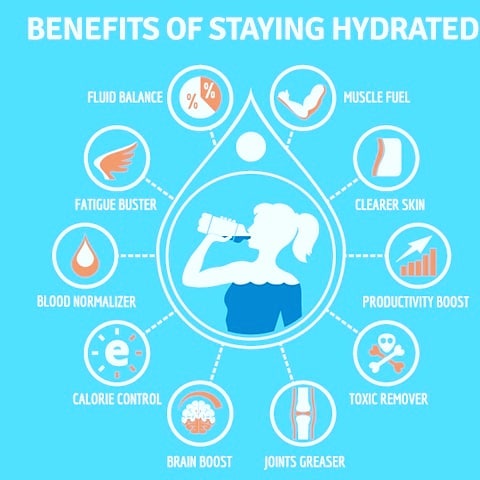
Making hydration a conscious part of your daily life can be surprisingly impactful for your joint health. Think of water as an internal lubricant, helping to keep your joints moving smoothly. Dehydration can reduce the volume of synovial fluid – the viscous liquid that cushions and nourishes your cartilage – leading to increased friction and stiffness. Aiming for consistent hydration throughout the day supports optimal synovial fluid production, promoting mobility, comfort, and long-term joint function. This simple act of drinking enough water can be a cornerstone of a joint-friendly routine.
What foods help lubricate joints?
While water is paramount, a nutrient-rich diet for joints can also support lubrication and overall joint health. Focus on incorporating foods rich in omega-3 fatty acids, such as fatty fish (salmon, mackerel), flaxseeds, and chia seeds, which offer inflammation support. Consider adding bone broth to your diet; it contains collagen and other compounds that may help support cartilage health. Fruits and vegetables, especially those high in antioxidants, are also crucial for combating inflammation.
How can I stay mobile as I age?
Staying mobile as you age requires a holistic approach. Alongside adequate hydration, regular gentle mobility exercises are key. Walking, swimming, cycling, and yoga are excellent choices. These activities help maintain joint flexibility, strengthen surrounding muscles, and improve circulation. Listen to your body, avoid overexertion, and consider consulting with a physical therapist for personalized guidance. Also, prioritize maintaining a healthy weight to minimize stress on your weight-bearing joints.
Is walking good for stiff knees?
Yes, walking is generally very beneficial for stiff knees. It's a low-impact exercise that can help improve circulation, lubricate the joints, and strengthen the muscles around the knees. Start with short, gentle walks and gradually increase the duration and intensity as your comfort level improves. Listen to your body and stop if you experience any sharp or persistent pain. Consistent walking can contribute to pain-free movement and improved knee function.
Don't underestimate the power of a simple glass of water. Small, consistent steps can lead to significant improvements in your joint health and overall well-being. Focus on making hydration a habit, explore gentle mobility exercises, and consider incorporating foods that support joint health. Your body will thank you with greater comfort, improved mobility, and a renewed zest for life. Start today and rediscover the joy of movement.