
Is it harder to get out of bed these days? Do your knees complain with every step, or your fingers ache as you try to button a shirt? Joint discomfort can steal the joy from everyday moments, turning simple activities into monumental tasks. It's a frustrating feeling, knowing your body isn't moving as freely as you'd like. You deserve to feel comfortable and capable in your own skin.
Our joints are complex and sensitive structures, and everyday wear and tear takes its toll. Factors like inflammation, the natural aging process, and even a sedentary lifestyle can contribute to stiffness and pain. Inflammation, in particular, plays a significant role, impacting the cushioning cartilage and leading to discomfort. Over time, this can limit your range of motion and affect your overall quality of life.
But it's not all downhill! A more joint-friendly routine can make a huge difference. Consider incorporating gentle mobility exercises into your day, such as stretching or light yoga. These practices can help lubricate the joints, reduce stiffness, and improve circulation. Pairing this with a nutrient-rich diet for joints can provide the building blocks your body needs to maintain healthy cartilage and support overall joint function. Think of it as investing in your future mobility and comfort.
Essential Oils for Joint Support
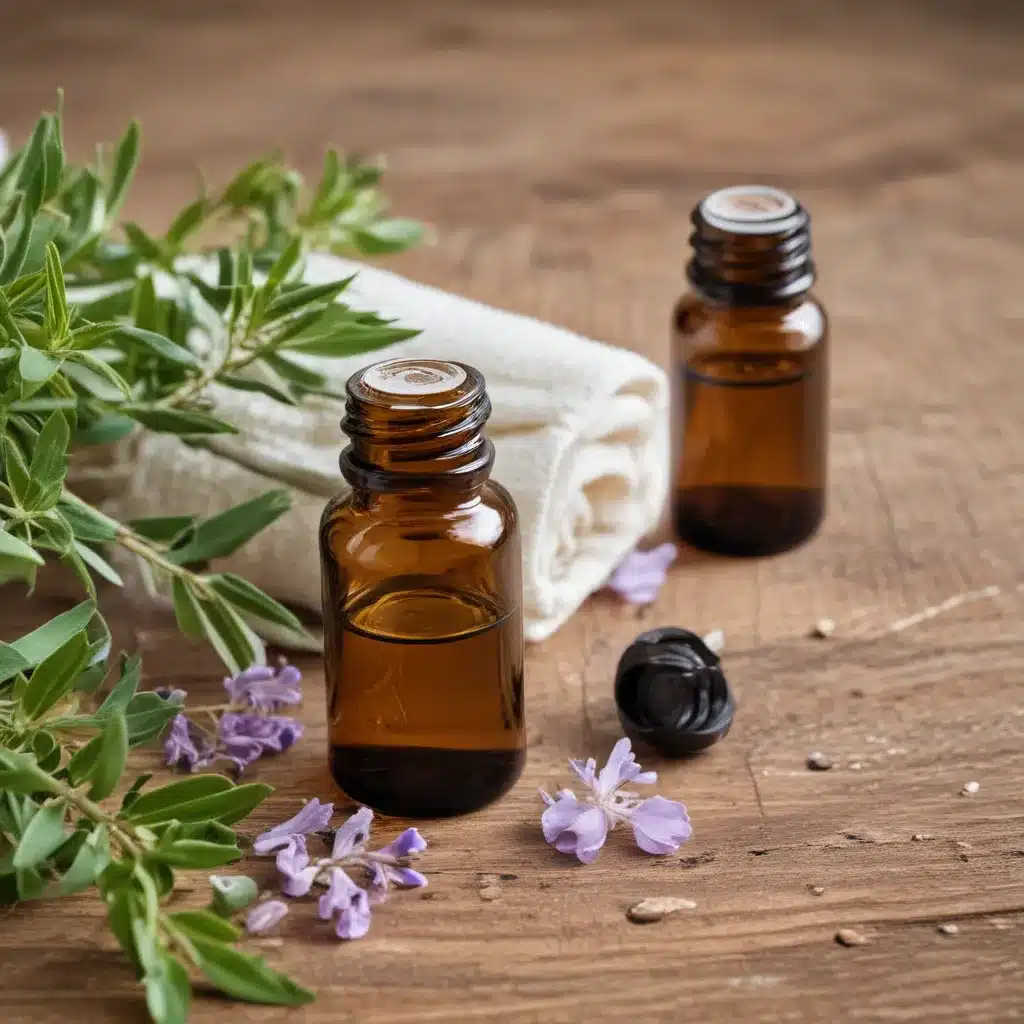
Essential oils have been used for centuries to promote wellness, and certain oils may offer natural inflammation support and pain relief. Always remember to dilute essential oils with a carrier oil like jojoba or almond oil before applying them topically. A good rule of thumb is 2-3 drops of essential oil per tablespoon of carrier oil. It's also crucial to perform a patch test on a small area of skin to check for any allergic reactions before widespread use.
Here are a few essential oils that may help ease joint discomfort: Lavender: Known for its calming and anti-inflammatory properties, lavender oil can help soothe sore muscles and reduce inflammation. Its relaxing scent can also ease tension that often accompanies pain. Ginger: Ginger essential oil has potent warming and anti-inflammatory effects. It may help improve circulation and reduce stiffness in the joints. Peppermint: Peppermint oil contains menthol, which has a cooling and analgesic (pain-relieving) effect. It can provide temporary relief from aches and pains when applied topically. Frankincense: Revered for its powerful anti-inflammatory properties, frankincense essential oil can help reduce inflammation and support overall joint health. It's often used to promote relaxation and reduce stress, which can also contribute to pain management. Eucalyptus:With its invigorating aroma, eucalyptus essential oil can help reduce pain and swelling. It may also improve circulation to the affected area, promoting healing.
What foods help lubricate joints?
While no single food acts like WD-40 for your joints, incorporating foods rich in omega-3 fatty acids, such as salmon and flaxseeds, can help reduce inflammation. Additionally, foods high in antioxidants, like berries and leafy greens, can combat free radical damage and support joint health. Staying hydrated is also critical for joint lubrication, so drink plenty of water throughout the day.
How can I stay mobile as I age?
Staying mobile as we age requires a proactive approach. Focus on incorporating regular physical activity into your routine, even if it's just gentle walking or swimming. Stretching and flexibility exercises are also crucial for maintaining range of motion. Paying attention to your posture and using assistive devices when needed can also help protect your joints and prevent injury. Remember, consistency is key.
Is walking good for stiff knees?
In most cases, walkingisgood for stiff knees! It's a low-impact activity that can help improve circulation, strengthen the muscles surrounding the knee joint, and reduce stiffness. However, it's essential to listen to your body and avoid overdoing it. Start with short walks and gradually increase the duration and intensity as your knees get stronger. If you experience sharp or worsening pain, stop and consult with a healthcare professional.
Aging and joint care doesn't have to mean giving up the activities you love. By incorporating these essential oils into your self-care routine, along with a healthy lifestyle and gentle exercises, you can take proactive steps towards pain-free movement and a more comfortable future. Start small, be consistent, and remember that every step you take is a step towards feeling better.