
That familiar ache in your knees when you stand up after sitting for too long. The stiffness in your shoulders that greets you every morning. That twinge in your wrists that makes everyday tasks a little harder. Joint discomfort can quietly creep into our lives, making movement less joyful and more of a chore. But what if I told you that something as simple as your breath could be a powerful tool in easing that tension?
The Root of Joint Discomfort
Joint pain and stiffness often stem from a complex interplay of factors. Inflammation, the body's natural response to injury or irritation, can contribute significantly. As we age, the cartilage that cushions our joints can naturally wear down, leading to friction and discomfort. A sedentary lifestyle only exacerbates these issues, as lack of movement can stiffen the joints and weaken the supporting muscles. This can create a frustrating cycle of pain leading to less movement, which in turn worsens the pain.
One of the most impactful things you can do is incorporate gentle mobility exercises into your daily routine. Think slow, controlled movements that take your joints through their full range of motion. This helps lubricate the joints, improve circulation, and strengthen the surrounding muscles. Pair this with an inflammation support strategy, such as incorporating nutrient-rich foods into your diet, and you’ll set the stage for long-term joint health.
What foods help lubricate joints?
Focus on foods rich in omega-3 fatty acids, like salmon, flaxseeds, and walnuts. These healthy fats can help reduce inflammation throughout the body. Staying hydrated is also key for joint lubrication, so drink plenty of water throughout the day. You may also consider foods high in antioxidants, such as berries and leafy greens, which help combat free radicals that can contribute to joint damage.
Breathing Your Way to Pain-Free Movement
While diet and exercise are crucial, let's focus on the breath. Specific breathing exercises can directly influence your nervous system, shifting you from a state of tension and pain to one of relaxation and ease. When you're stressed or in pain, your body often tenses up, further restricting movement and increasing discomfort around your joints. Conscious breathing techniques help to counteract this effect.
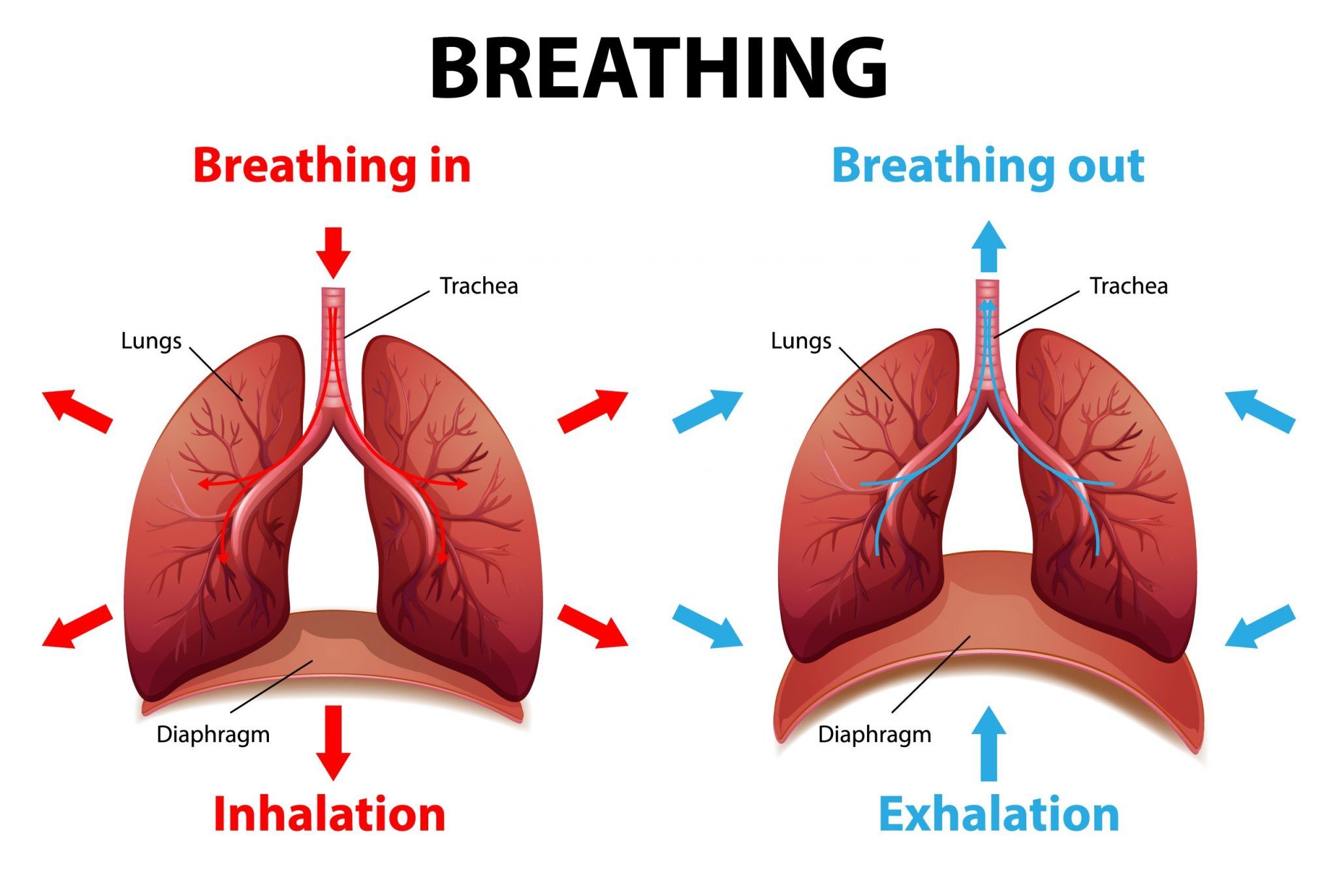
One simple yet effective technique is diaphragmatic breathing, also known as "belly breathing." Place one hand on your chest and the other on your belly. As you inhale deeply through your nose, focus on expanding your belly rather than your chest. Exhale slowly through your mouth, allowing your belly to fall. Repeat this for 5-10 minutes. This type of breathing activates your parasympathetic nervous system, which promotes relaxation and reduces muscle tension, indirectly easing pressure on your joints.
Another beneficial practice is alternate nostril breathing (Nadi Shodhana). Using your right thumb, gently close your right nostril and inhale deeply through your left. Then, close your left nostril with your right ring finger and exhale through your right. Inhale through your right, then close it and exhale through your left. Continue alternating nostrils for several minutes. This practice helps balance the nervous system, reduce stress, and improve mental clarity, further contributing to a sense of overall well-being and reduced joint discomfort.
How can I stay mobile as I age?
Staying active is vital. Even gentle activities like walking, swimming, or yoga can significantly impact your mobility as you age. Focus on maintaining a consistent joint-friendly routine, even if it's just for a few minutes each day. Listen to your body and avoid pushing yourself too hard, especially when you're feeling stiff or sore.
Small Changes, Big Impact
Remember, small changes can lead to significant improvements in your joint health and overall well-being. Integrating these breathing exercises into your daily routine, even for a few minutes at a time, can be a powerful step towards easing tension and restoring pain-free movement. Don't underestimate the power of your breath to unlock your body's natural ability to heal and find comfort. It's time to breathe easier, move better, and reclaim your joy of movement!
Is walking good for stiff knees?
Yes, walking is generally good for stiff knees, as it helps to lubricate the joints and strengthen the surrounding muscles. However, it's important to start slowly and gradually increase the intensity and duration of your walks. If you experience any pain, stop and rest. Consider using supportive shoes and walking on a flat surface to minimize stress on your knees.