
That familiar twinge in your knee, that morning stiffness in your fingers… It's easy to jump to conclusions and worry about the worst. Maybe you're picturing arthritis and a future of limited movement. But before you let anxiety take over, let's explore the real story behind joint pain. It's not always a life sentence of aches and immobility, and understanding the possibilities can empower you to take control of your well-being.
Is Joint Pain Always a Sign of Arthritis?
Not necessarily. While arthritisisa common culprit, joint pain can stem from a variety of issues. Inflammation is a major factor, often triggered by injuries like sprains or strains, or even repetitive motions from work or hobbies. Age-related wear and tear can also contribute, as the cartilage that cushions your joints naturally thins over time. And surprisingly, a sedentary lifestyle can weaken the muscles supporting your joints, leading to increased discomfort and instability. Even temporary conditions like bursitis or tendonitis can cause significant joint pain. Pinpointing the source of your pain is the first step to finding effective relief.
What foods help lubricate joints?
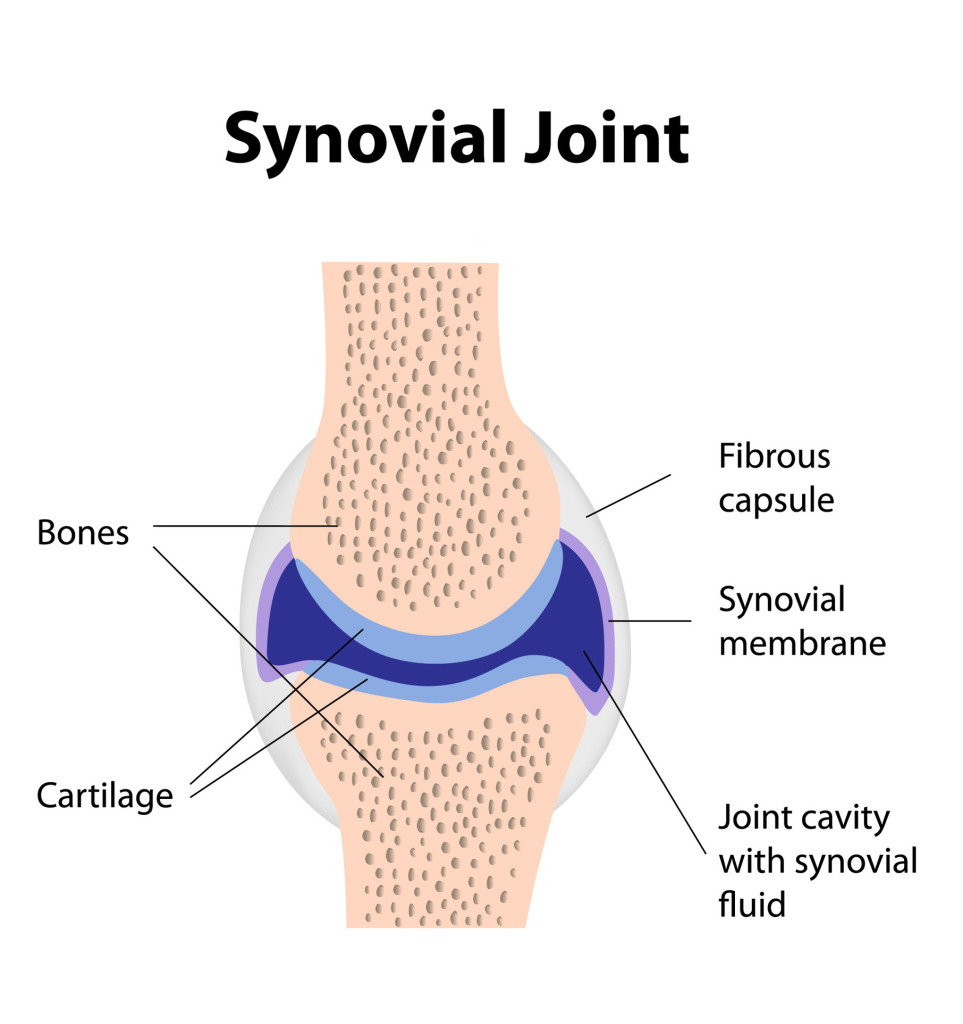
Focusing on a nutrient-rich diet for joints can make a real difference. Incorporate foods rich in omega-3 fatty acids, like salmon and flaxseeds, which have natural inflammation support properties. Colorful fruits and vegetables, packed with antioxidants, help fight inflammation and protect your cells. Staying hydrated is also key, as water helps maintain the viscosity of synovial fluid, which lubricates your joints. A diet abundant in whole foods is a natural and effective way to care for your joints from the inside out.
One practical way to support your joints is by incorporating gentle mobility exercises into your daily routine. This doesn't mean intense workouts – think of it as mindful movement. Simple stretches, yoga, or even a short walk can improve circulation, strengthen supporting muscles, and increase flexibility, all contributing to pain-free movement. Creating a joint-friendly routine can improve your mobility, decrease discomfort, and promote long-term joint function.
How can I stay mobile as I age?
Staying active is crucial as you age. It's easy to fall into a pattern of inactivity, but finding activities you enjoy – even if it's just gardening or dancing – will help keep your joints flexible and strong.
Is walking good for stiff knees?
In many cases, walkingisgood for stiff knees! It helps to lubricate the joint and strengthen the surrounding muscles. However, it's essential to listen to your body and avoid pushing yourself too hard, especially if you're experiencing a flare-up of pain.
Don't let joint pain define your limits. Remember that feeling better is possible, and you have the power to actively improve your comfort and mobility. Talk to your doctor about your concerns, explore different treatment options, and embrace a holistic approach that combines exercise, nutrition, and self-care. Your journey to healthier, happier joints starts now.