
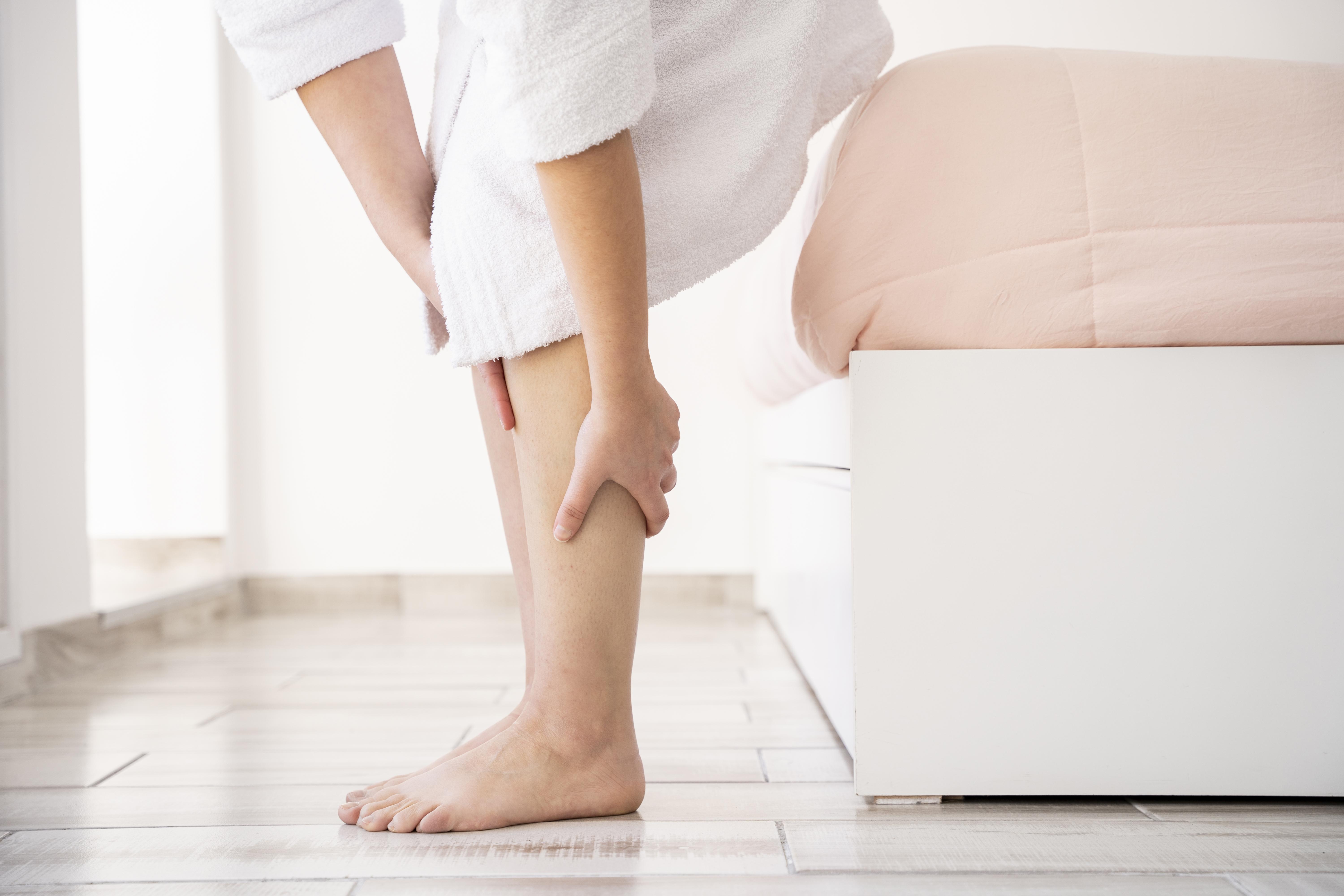
That familiar twinge in your knee. The subtle stiffness in your ankles that wasn’t there yesterday. You’re not alone. Joint discomfort can quietly creep into our lives, making each step feel a little less fluid, a little less comfortable. It can subtly shift our willingness to embrace movement, to enjoy the simple pleasure of a walk in the park or a spontaneous dance in the kitchen. But before you let achy joints dictate your day, let’s explore a foundational element of pain-free movement: your footwear.
Finding the Right Footwear for Achy Joints
Joint pain arises from a multitude of sources. Inflammation within the joint capsule, the gradual wear and tear of cartilage associated with aging, or even a sedentary lifestyle that weakens supporting muscles can all contribute to discomfort. These factors can lead to decreased range of motion, increased stiffness, and ultimately, a reluctance to engage in activities we once enjoyed. The good news is that proactive steps can make a significant difference.
One powerful, yet often overlooked, approach is adopting a nutrient-rich diet for joints. Consider incorporating foods naturally high in omega-3 fatty acids, such as salmon and flaxseeds, which can help provide inflammation support. Adding turmeric, known for its anti-inflammatory properties, into your meals can also be beneficial. Furthermore, staying adequately hydrated ensures your joints are properly lubricated, reducing friction and promoting smoother movement. Pairing this dietary focus with the right footwear can create a powerful synergy, paving the way for sustained mobility and long-term joint function.
Is walking good for stiff knees?
Yes, generally walking is good for stiff knees, but with a few precautions. Low-impact movement helps lubricate the joints and strengthens the surrounding muscles, providing better support and reducing stiffness. Start with short, gentle mobility exercises like walking at a slow pace on a level surface, and gradually increase the duration and intensity as tolerated. It’s essential to listen to your body and stop if you experience increased pain. Consulting with a physical therapist can provide personalized guidance and ensure you're walking with proper form.
The Footwear Factor: Support and Stability
Footwear plays a crucial role in how your body distributes weight and absorbs impact. For those with achy joints, shoes that offer ample support, cushioning, and stability are paramount. Look for features such as: Good Arch Support: Proper arch support helps maintain alignment and reduces stress on ankles, knees, and hips. Cushioned Soles: Shock absorption is key to minimizing impact. Materials like memory foam or gel inserts can provide extra comfort. Stable Heel Counter: A firm heel counter helps control foot motion and prevents overpronation or supination, which can exacerbate joint pain. Wide Toe Box: Allows your toes to splay naturally, preventing constriction and discomfort.
Choosing footwear that addresses these aspects can significantly alleviate pressure on sensitive joints and promote a more comfortable and pain-free gait.
Beyond the Basics: Lifestyle and Joint Care
While supportive shoes are essential, they are just one piece of the puzzle. Embracing a holistic approach to aging and joint care can maximize your comfort and mobility.
What foods help lubricate joints?
Foods that contribute to joint lubrication often contain healthy fats and anti-inflammatory compounds. Salmon, avocados, olive oil, nuts, and seeds are excellent sources of omega-3 fatty acids, which can help reduce inflammation and promote joint health. Bone broth, rich in collagen and glucosamine, may also support cartilage health and joint lubrication. Staying adequately hydrated is crucial as well, as water helps maintain the viscosity of synovial fluid, the natural lubricant in your joints.
Consider incorporating gentle mobility exercises into your daily routine, such as stretching, yoga, or swimming. These activities improve flexibility, strengthen surrounding muscles, and help maintain joint range of motion. Maintaining a healthy weight is also crucial, as excess weight places added stress on weight-bearing joints. By combining appropriate footwear with lifestyle adjustments and a focus on overall well-being, you can empower yourself to live a more active and fulfilling life.
How can I stay mobile as I age?
Staying mobile as you age involves a multifaceted approach. Regular physical activity, including both cardiovascular exercise and strength training, is essential for maintaining muscle mass, bone density, and joint function. Focus on activities that you enjoy and can sustain over time, such as walking, swimming, cycling, or dancing. Incorporating stretching and flexibility exercises, like yoga or Pilates, can also help improve range of motion and prevent stiffness. A joint-friendly routine ensures you're workingwithyour body, not against it.
Don't let achy joints hold you back. You have the power to create positive change. Start by evaluating your current footwear and consider investing in shoes that prioritize support, cushioning, and stability. Explore dietary adjustments and incorporate gentle exercises into your routine. Every small step you take towards prioritizing joint health is a step towards a more active, comfortable, and fulfilling life. You deserve to move with ease and enjoy the simple pleasures of life, pain-free.